When comparing managerial accounting vs financial, you should know that managerial accounting is only used internally and does not have to follow GAAP, IFRS, or any other external reporting standards. Financial accounting gathers and summarizes data into standardized reports for external use, whereas managerial accounting focuses on thorough, real-time data analysis for internal use. They serve different functions and target different audiences by handling data differently.

Differences between Managerial and Financial Accounting
Financial accounting provides information to enable stockholders, creditors, and other stakeholders to make informed decisions. This information can be used to evaluate and make decisions for an individual company or to compare two or more companies. However, the information provided by financial accounting is financial accounting vs managerial accounting primarily historical and therefore is not sufficient and is often synthesized too late to be overly useful to management. Managerial accounting has a more specific focus, and the information is more detailed and timelier. Managerial accounting is not governed by GAAP, so there is unending flexibility in the types of reports and information gathered.
- It also involves the analysis of financial and non-financial data to evaluate the performance of a business and identify areas for improvement.
- They serve different functions and target different audiences by handling data differently.
- Also known as management accounting or cost accounting, managerial accounting provides information to managers and other users within the company in order to make more informed decisions.
- However, as with any other profession, you will need additional skills in order to specialize in this role.
- Management accounting focuses on providing internal data to help business leaders make informed decisions.
- Managerial accounting is a forward-looking concept that focuses on future outcomes using current and historical data.
Does Managerial Accounting Follow GAAP?

The general purpose of financial statement reporting is to provide information about the results of operations, financial position, and cash flows of an organization. The purpose of the reporting done by management accountants is more specific to internal users. Management accountants make available the information that could assist companies in increasing their performance and profitability.
Achieve Consistent Financial Record Management

This post explains the difference between financial accounting and management accounting in detail. Managerial accounting can help identify which products or services can generate the highest returns and which are underperforming. This information can be extremely helpful in making informed decisions about whether to invest time, money, and effort. Budget is one of the most important concerns for startups, which makes it challenging to prioritize financial management, especially when resources are scarce. Without proper financial accounting, a startup would have inaccurate or incomplete records, which might overestimate the available cash flow or underestimate expenses. Managerial accounting dives deeply into the nature of costs to differentiate between the different classes, such as fixed variable direct https://www.bookstime.com/ and indirect.
Common Financial Statements
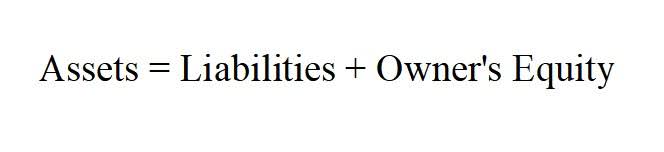
However, ongoing monitoring of resource use and financial performance is needed to allocate resources in areas where they can generate the highest possible returns. Detailed financial records can also help in comparing different areas of options to see where money is being lost. If one department consistently runs over budget, financial data can spot the exact expenses causing these issues. This equation must always balance as it reflects that all assets are financed either through debt (liabilities) or shareholders’ equity. Understanding and analyzing financial ratios is equally critical here, mainly the current ratio (current assets divided by current liabilities), which measures liquidity.
Reporting Standards
Managerial accountants regularly calculate and manage “what-if” scenarios to help managers make decisions and plan for future business needs. Thus, managerial accounting focuses more on the future, while financial accounting focuses on reporting what has already happened. In addition, managerial accounting uses nonfinancial data, whereas financial accounting relies solely on financial data.
- Ryans offers tailored Business Planning services to assist companies with creating actionable insights for future success.
- Managerial accounting also involves analyzing the costs of producing goods and services.
- Financial accounting involves systematically recording financial information to create statements representing a company’s overall financial health over a given accounting period.
- While financial accounting and managerial accounting have different objectives, they are closely connected.
- However, without financial data, solving these problems would be much more time-consuming and probably ineffective.
- This historical analysis helps businesses stay compliant with regulations while offering transparency to investors and regulators.
- People in this type of accounting are focused on the future, and will often run “what-if” scenarios for company leadership to help them make decisions to ensure the business stays profitable.
These purchases are listed as entries on a balance sheet and are considered short-term assets to the organizations. Managerial accounting is a specified type of accounting retained earnings balance sheet that has different job titles based on the company, industry, education, location, and more. The job titles often differ in salary and responsibilities, though you’ll find some common tasks and skills in most jobs in managerial accounting.
The information generated by the management accountants is intended for internal use by the company’s divisions, departments, or both. Managerial accounting is much more flexible, so the design of the managerial accounting system is difficult to standardize, and standardization is unnecessary. Different companies (even different managers within the same company) require different information. The most important issue is whether the reporting is useful for the planning, controlling, and evaluation purposes. In contrast, the consumers of managerial accounting information are primarily internal stakeholders, such as executives, department heads, and other decision-makers within the organization.